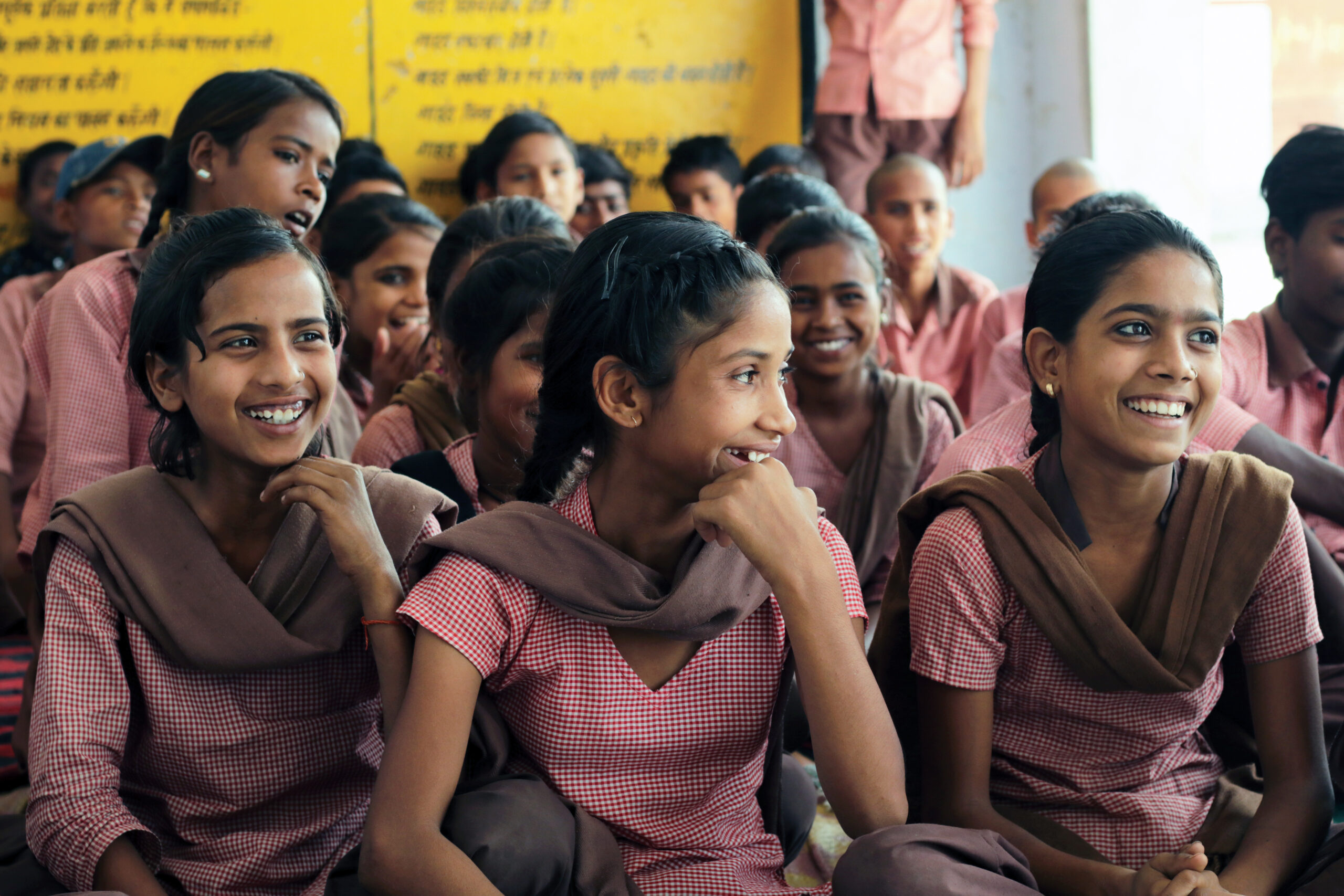
Breakthrough is a 25-year-old organisation working with young people, aged 11 to 25 years, to create an enabling culture and safe environment where everyone, especially women and girls, thrive and real their full potential.
Their annual demonstrated impact includes:
Transforming regressive social norms by working in 13 districts and 4 states within India, including Haryana, Uttar Pradesh, Jharkhand, and Delhi/NCR.
Collaborating with state governments of Punjab and Odisha and working with the school systems, teachers and education leaders to change attitudes in adolescents at scale.
Other key outcomes: Early pregnancy rates, Early marriage rates, Healthcare utilization
Recent expense budget
A$10,000,000
Year founded
1999
The Problem: Violence against women and girls in India.
Girls in India are born into a socio-cultural context steeped in discrimination and inequity that pushes them to the fringes of society with little control over their lives and an inability to reach their full potential. One in four women aged 20-24 years old are married before the legal age of 18 years (NFHS-5) and only one in four Indian women are able to join the workforce (World Bank). Gender discrimination is also believed to have a direct effect on birthrates, with only 919 girls being born per 1000 boys (Census 2011).
Unfortunately, despite the evident and dire health, economic and social consequences of violence against women and girls, the issue has received relatively little global attention and funding.
The solution: Empowerment programs for adolescents.
High-quality studies have identified several specific interventions that are effective at preventing violence. In particular, community-based social empowerment programs that shift regressive social norms and attitudes have been demonstrated to be very effective from many randomised controlled trials — including Abramsky et al (2014), Dunkle et al (2020), Leight et al (2020), Wagman et al (2015), Ogum Alangea et al (2020), Le Roux et al (2020), and Chatterji et al (2020). These programs can lead to 30-50% reductions in violence in communities, with effects that can persist for many years.
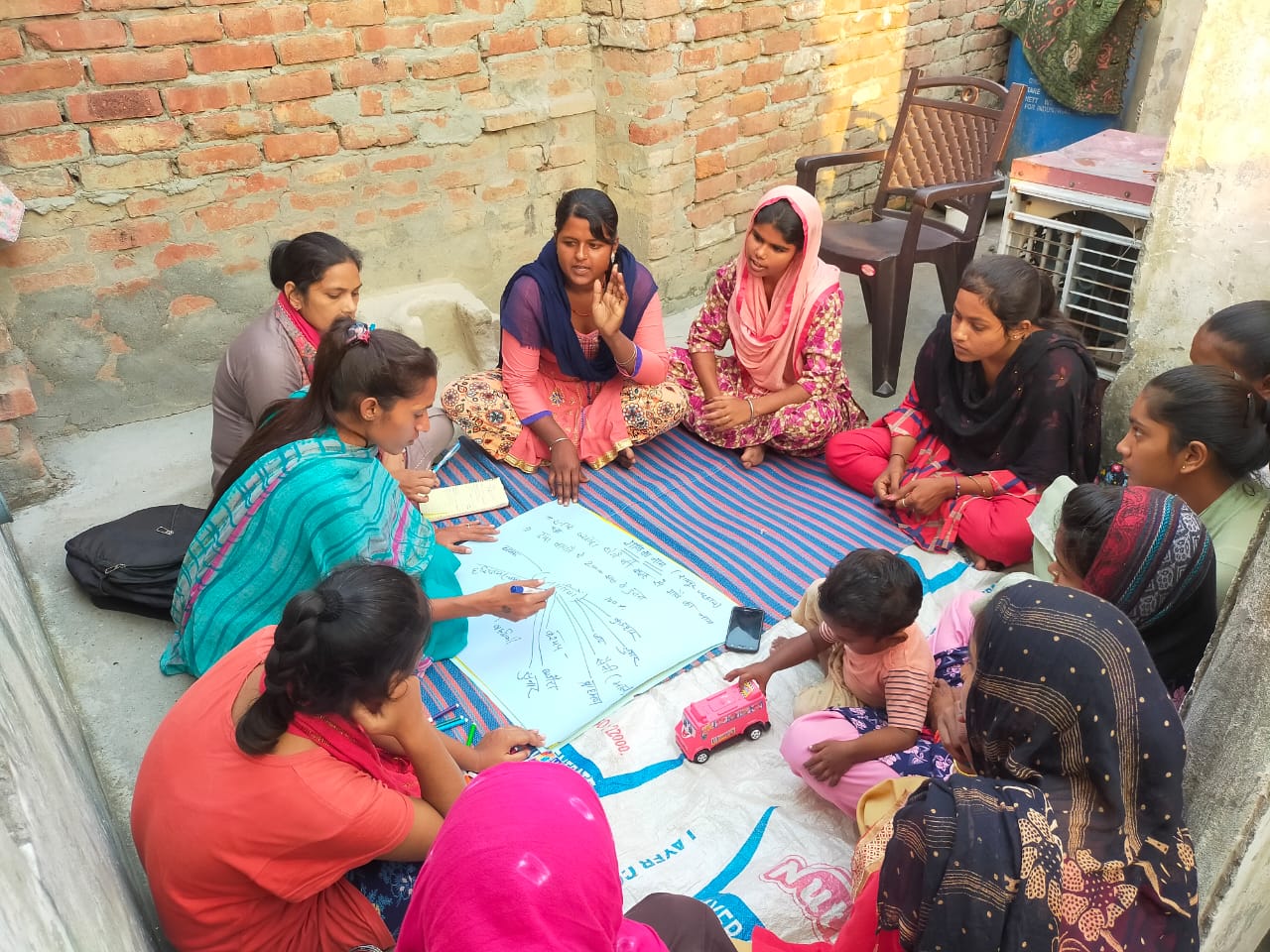
These community mobilization programs involve training community volunteers to become activists who can work with individuals, couples, communities and local governments to drive change in regressive social norms and attitudes. The programs are supported by evidence-based toolkits, frameworks, and technical assistance. They are also community driven and adapted to each local context.
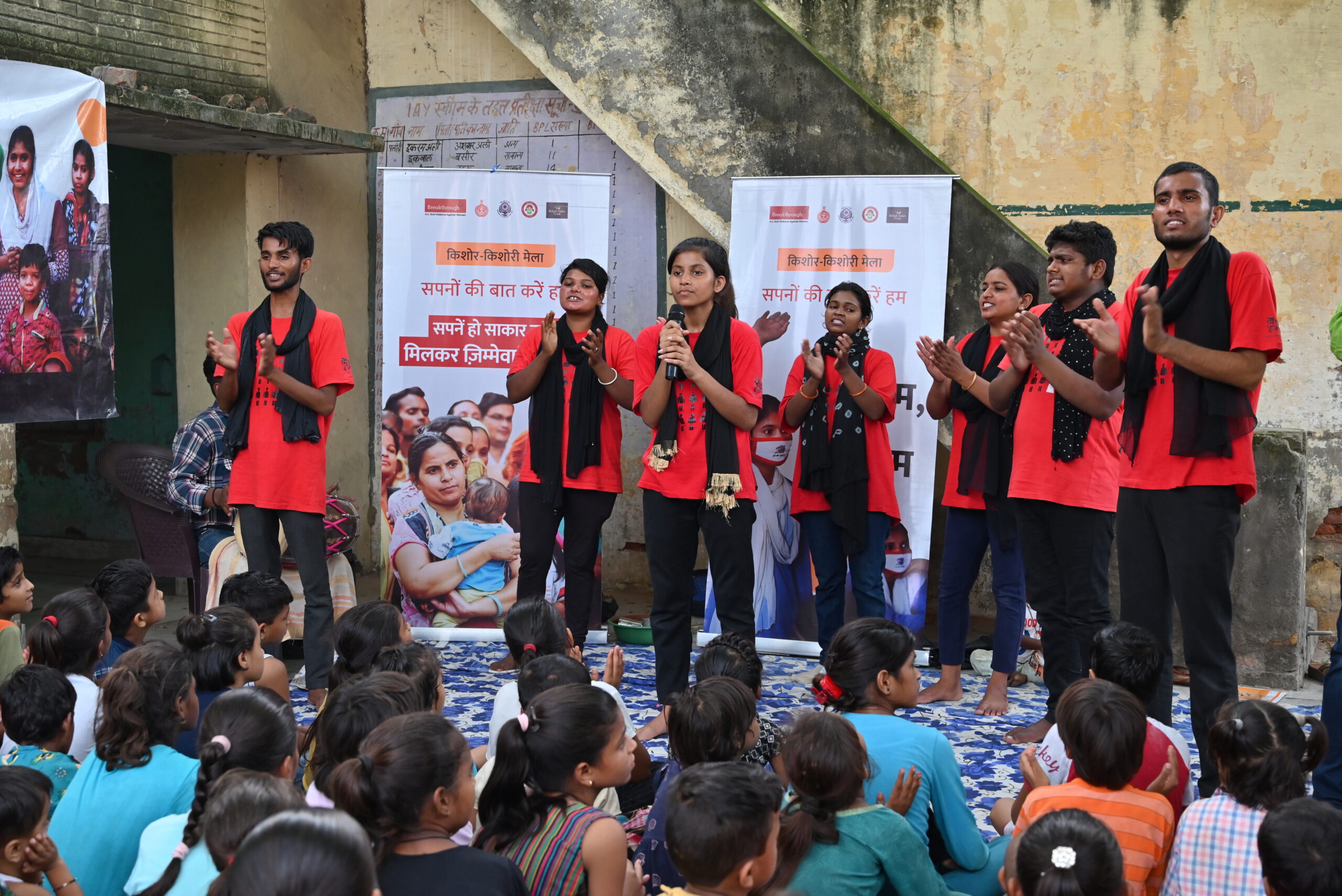
Breakthrough is implementing the community-based approach into school curriculum and community-based programs targeting adolescents.
How Breakthrough works
Breakthrough implements community-based programs that target adolescents inside and outside the school system. Through their work, Breakthrough has reached reached around 2.3 million adolescents in 6 states (Uttar Pradesh, Haryana, Delhi/NCR, Jharkhand, Punjab and Odisha) in India.
Breakthrough uses the socio-ecological model in which adolescents are at the core. They also work with different stakeholders, including local administration at the village and district level, frontline health workers and other community stakeholders like families and other community members who impact an adolescent’s life. Their engagement with young adults aged 19-25 years old in the community leads to the rise of youth leaders or Team Change Leaders (TCLs). These volunteers act as a bridge between the organisation and the community and are extensively trained by Breakthrough to act as a support system for adolescents in the community.
In conjunction, Breakthrough is a technical partner to state governments and state education departments to embed an inclusive lens into the middle school subject curricula. It is currently working with the governments of Punjab and Odisha to scale its programs at government schools by training teachers and school leaders to ensure that classes are safe and discrimination-free for students, working with middle management for effective implementation of the program and enhancing parental engagement to increase value for girls’ education and aspirations.
99%
of 15 to 18-year-olds in project areas of Delhi believe a girl should be allowed to continue education after marriage when compared to 86% in the non-intervention areas.
Nearly
40%
increase in agreement on higher education not being a hindrance to marriage in Uttar Pradesh (2023)
Increase in age of girls (11-22-year-olds) at marriage in 7 districts of Uttar Pradesh by nearly
2 years
87%
of youth in intervention areas of Jharkhand showed initiative in improving education services for adolescents. This number nearly doubled from 41% in the last evaluation.
Active in
4 states and 13 districts
in India through direct intervention, and in 2 states through government partnerships
Other ways to donate
We recommend that gifts up to A$1,000 be made online by credit card. If you are giving more than A$1,000, please consider one of these alternatives.
What can you help Breakthrough achieve? Enter a donation amount below to find out.
AUD
What makes Breakthrough so effective
Partnership with government
Breakthrough has worked with the government on implementation of their programs and on educational curricula re-design. These government partnerships have enabled them to significantly increase the number of adolescents they are able to reach and offer a promising path to scale.
Strong organisational culture
Breakthrough prides itself on being a non-hierarchical space that believes in everyone’s capacity to lead and inspire. In recent years, they have developed a strong second line of leadership, the Emerging Leadership Team (ELT), that is increasingly taking over accountability for the organisation’s performance-based culture.
Participatory design
Breakthrough works with adolescents to design and improve its work and programs. Not only does it aim to build collectives and joint leadership among young people, especially girls, to raise their voices, it also solicits youth and adolescent voices for regular and periodic review of their curriculum.

 U.S. site →
 Global tax-deductible giving →